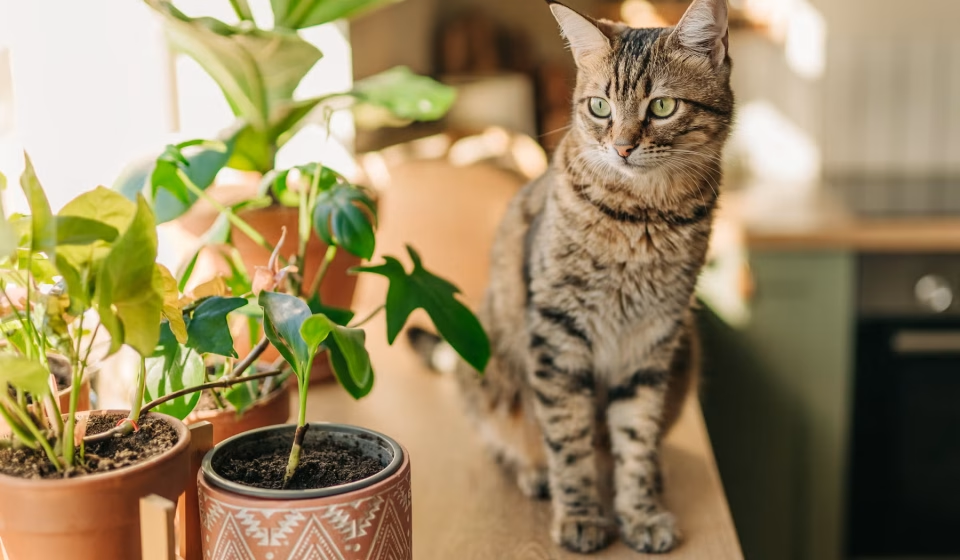

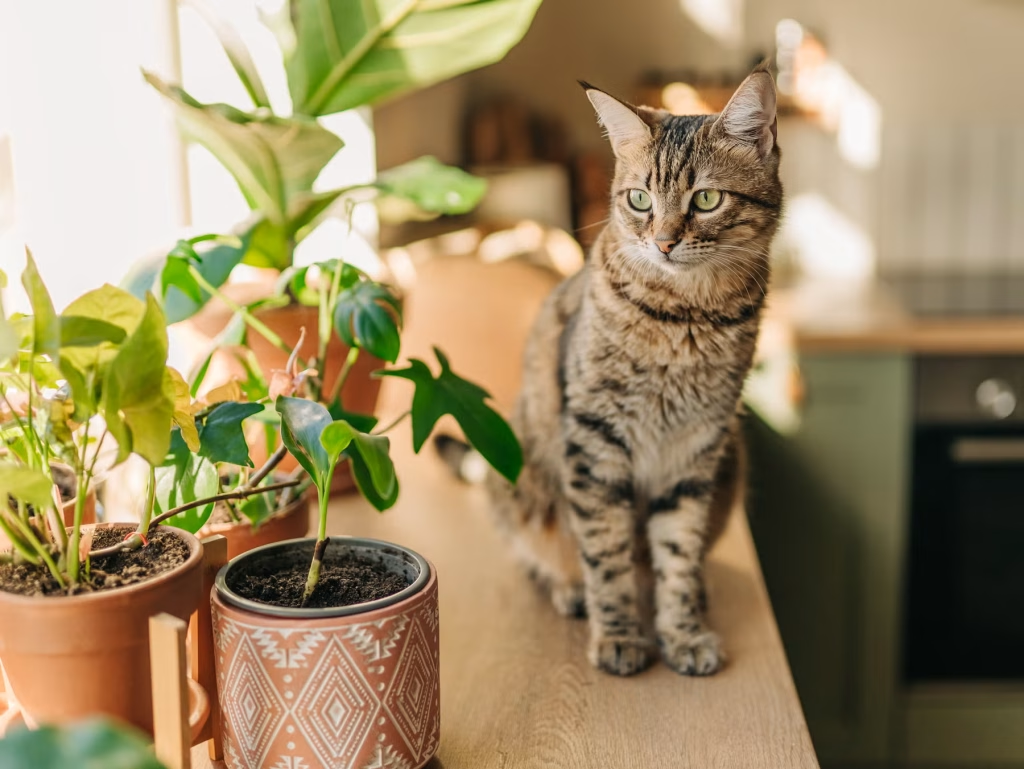
As a permissive cat mom, I don’t even attempt to keep any sacred human-only spaces in my home. The couch is warmly shared; the bed, too. In this house, we also share the dining table and kitchen countertops with our adorable cat. (Judge if you must.)
That last spot—the place where you prepare your food—is often where many cat parents draw the line.
Some people don’t think twice about a cat hopping up to supervise meal prep. Others consider countertops completely off limits. And then there are those who spend countless hours gently placing their felines back on the floor, only to hear the unmistakable thud of paws on the counter again moments later.
Experts say cats benefit from having access to elevated spaces, but whether you should allow them on the counter is a more complicated question that involves both your cat’s behavior and your household’s approach to food safety.
High places allow cats to monitor activity around them while satisfying their natural climbing instincts. That’s why countertops, bookshelves, refrigerators, and tall cat trees can all be so appealing.
One of the biggest misconceptions is that cats jump onto counters simply to be disobedient. “In reality, they’re usually following normal feline instincts to explore, observe, and access elevated territory,” says Richter.